Top 5 Organic Fertilizers for Your Garden
Gardening enthusiasts and professionals alike understand the vital role that fertilizers play in ensuring the health and productivity of plants. While chemical fertilizers can offer quick fixes, they often come with long-term detrimental effects on soil health and the environment. Organic fertilizers, on the other hand, provide a sustainable and eco-friendly solution that nurtures the soil while promoting robust plant growth. In this comprehensive guide, we will explore the top 5 organic fertilizers for your garden, ensuring you make informed choices to cultivate a thriving and healthy garden.
What is Organic Fertilizer?

Organic fertilizers are derived from natural sources such as plant residues, animal manure, and mineral deposits. They provide essential nutrients to plants in a slow-release form, which is beneficial for both plants and soil. Unlike synthetic fertilizers, organic fertilizers improve soil structure, increase microbial activity, and enhance the soil’s ability to retain water and nutrients.
Let’s see what Wikipedia says about : Organic Fertilizer’s
The Importance of Organic Fertilizers
- Soil Health Improvement: Organic fertilizers enrich the soil with organic matter, which improves soil structure, aeration, and water retention.
- Environmentally Friendly: They reduce the risk of pollution to water bodies as they are less likely to leach harmful chemicals into the soil and groundwater.
- Sustainable: Organic fertilizers are derived from renewable resources, making them a more sustainable option for long-term gardening.
- Balanced Nutrient Supply: They provide a more balanced supply of nutrients over time, promoting healthy plant growth without the risk of over-fertilization.
Top 5 Organic Fertilizers for Your Garden

1. Compost
Compost is the most versatile and widely used organic fertilizer. It is made from decomposed organic matter such as kitchen scraps, yard waste, and manure. Compost is rich in essential nutrients and beneficial microorganisms that improve soil health.
Benefits of Compost:
- Enhances soil structure and fertility
- Increases microbial activity in the soil
- Provides a slow-release of nutrients
- Improves soil moisture retention
How to Use Compost:
- Mix compost into the top 6-8 inches of soil before planting.
- Use it as a mulch around plants to conserve moisture and suppress weeds.
- Add it to potting mixes for container gardening.
2. Manure
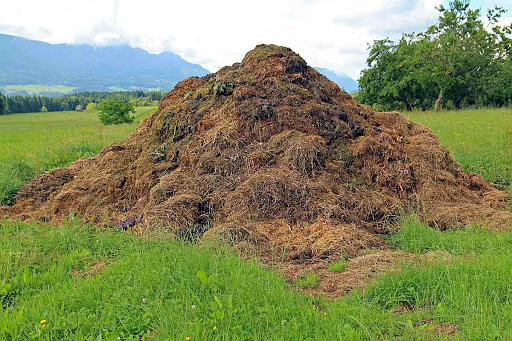
Manure is another excellent organic fertilizer, commonly sourced from cows, horses, chickens, and other livestock. It is rich in nitrogen, phosphorus, and potassium, which are crucial for plant growth.
Benefits of Manure:
- Improves soil structure and fertility
- Increases nutrient content in the soil
- Enhances soil’s water-holding capacity
- Promotes healthy microbial activity
How to Use Manure:
- Apply well-aged manure to garden beds in the fall and allow it to decompose over winter.
- Mix it into the soil before planting to ensure even nutrient distribution.
- Use manure tea as a liquid fertilizer for a quick nutrient boost.
3. Bone Meal

Bone meal is a finely ground powder made from animal bones. It is an excellent source of phosphorus and calcium, essential for root development and flowering.
Benefits of Bone Meal:
- Promotes strong root growth
- Enhances flowering and fruiting
- Provides long-lasting phosphorus and calcium
- Improves overall plant health
How to Use Bone Meal:
- Mix bone meal into the soil at planting time.
- Apply it to the soil surface and water it in well.
- Use it as a side dressing for established plants during the growing season.
4. Fish Emulsion
Fish emulsion is a liquid organic fertilizer made from whole fish or fish byproducts. It is high in nitrogen, providing a quick nutrient boost to plants.
Benefits of Fish Emulsion:
- Rapidly promotes leafy green growth
- Provides a balanced nutrient profile
- Enhances microbial activity in the soil
- Suitable for foliar feeding and soil drenching
How to Use Fish Emulsion:
- Dilute fish emulsion with water according to the product instructions.
- Apply it as a foliar spray or soil drench every 2-4 weeks.
- Use it as a starter fertilizer for seedlings and transplants.
5. Worm Castings (Vermicompost)

Worm castings, also known as vermicompost, are produced by earthworms as they digest organic matter. They are rich in essential nutrients and beneficial microorganisms.
Benefits of Worm Castings:
- Improve soil structure and fertility
- Enhance nutrient availability and uptake
- Increase microbial activity in the soil
- Promote healthy root development
How to Use Worm Castings:
- Mix worm castings into the soil before planting.
- Use them as a top dressing around plants during the growing season.
- Add them to potting mixes for container gardening.
How to Choose the Right Organic Fertilizer for Your Garden
When selecting an organic fertilizer for your garden, consider the following factors:
- Soil Type: Different soils have varying nutrient needs. Conduct a soil test to determine the specific deficiencies in your soil.
- Plant Type: Different plants have different nutrient requirements. Choose an organic fertilizer that matches the needs of your plants.
- Application Method: Consider whether you prefer to use a granular or liquid fertilizer, and choose one that fits your gardening style.
- Nutrient Content: Look for organic fertilizers that provide a balanced supply of essential nutrients, such as nitrogen, phosphorus, and potassium.
Tips for Using Organic Fertilizers
- Follow Instructions: Always follow the manufacturer’s instructions for application rates and methods to avoid over-fertilizing.
- Apply at the Right Time: Apply organic fertilizers at the appropriate times during the growing season to maximize their benefits.
- Monitor Plant Health: Regularly monitor your plants for signs of nutrient deficiencies or excesses, and adjust your fertilization practices accordingly.
- Combine with Other Practices: Use organic fertilizers in combination with other sustainable gardening practices, such as mulching and crop rotation, to improve soil health and plant productivity.
| Organic Fertilizer | Benefits | How to Use |
|---|
| Compost | – Enhances soil structure and fertility – Increases microbial activity – Provides slow-release nutrients – Improves soil moisture retention | – Mix into the top 6-8 inches of soil before planting – Use as mulch around plants – Add to potting mixes for container gardening |
| Manure | – Improves soil structure and fertility – Increases nutrient content – Enhances soil’s water-holding capacity – Promotes healthy microbial activity | – Apply well-aged manure to garden beds in the fall – Mix into the soil before planting – Use manure tea as a liquid fertilizer |
| Bone Meal | – Promotes strong root growth – Enhances flowering and fruiting – Provides long-lasting phosphorus and calcium – Improves overall plant health | – Mix into soil at planting time – Apply to soil surface and water in well – Use as a side dressing for established plants |
| Fish Emulsion | – Rapidly promotes leafy green growth – Provides balanced nutrients – Enhances microbial activity – Suitable for foliar feeding and soil drenching | – Dilute with water according to product instructions – Apply as a foliar spray or soil drench every 2-4 weeks – Use as a starter fertilizer for seedlings and transplants |
| Worm Castings | – Improve soil structure and fertility – Enhance nutrient availability and uptake – Increase microbial activity – Promote healthy root development | – Mix into soil before planting – Use as a top dressing around plants – Add to potting mixes for container gardening |
Conclusion
Choosing the right organic fertilizer for your garden is essential for promoting healthy plant growth and maintaining soil health. Compost, manure, bone meal, fish emulsion, and worm castings are among the top choices for organic gardeners. By understanding the benefits and application methods of these fertilizers, you can create a thriving garden that is both productive and sustainable.
Read more : Organic Fertilizers and Why It is Necessary for Soil Health
Remember, the key to successful organic gardening lies in nurturing the soil and providing plants with the nutrients they need to flourish. By incorporating organic fertilizers into your gardening routine, you are not only enhancing the health of your plants but also contributing to a healthier environment. So, embrace organic fertilizers and watch your garden thrive like never before!
Happy gardening !

