A Growing Threat: Climate Change’s 1.2°C Impact on Winter and Our Crops
Climate change refers to the long-term alteration of Earth’s climate patterns, and one of its notable impacts is the transformation of our seasons
Introduction:
As we sip hot cocoa or tea by the fireplace and watch snowflakes dance outside our windows, it’s easy to picture winter as a timeless season of chill and frost. However, the reality is changing, and it’s not just about cozy snow days. Our winters are getting warmer, and this shift is more than a change in weather—it’s a consequence of a larger issue called climate change.
Climate change refers to the long-term alteration of Earth’s climate patterns, and one of its notable impacts is the transformation of our seasons. While winter used to be characterized by cold temperatures and snowy landscapes, the rise in global temperatures is bringing about a warmer, less predictable winter.
This warming trend may sound nice when we think about escaping the winter chill, but it has a downside that directly affects something we all rely on: our food. This article delves into the connections between climate change, the changing winter season, and how these shifts are influencing the crops we depend on for our meals. So, let’s explore the warming winter and unravel its effects on the food we grow and eat.
The Warming Winter: How Rising Temperatures Impact Crop Growth
As the Earth’s thermostat climbs due to climate change, winters are not spared from the warming trend. Traditionally, winter has been a time when temperatures drop, and snow blankets the ground. However, the global rise in temperatures is leading to milder winters, and this seemingly subtle change has significant consequences, especially for the crops we rely on.
Understanding the Rise in Winter Temperatures
Let’s take a closer look at the numbers. Over the past few decades, the average global temperature during winter has been steadily increasing. According to data from the National Aeronautics and Space Administration (NASA), winter temperatures around the world have risen by about 1.2 degrees Celsius (2.2 degrees Fahrenheit) since the late 19th century.

This chart illustrates the warming trend, showing how winter temperatures have steadily increased over the years.
Impacts on Crop Growth and Development
The consequences of this warming winter extend to the very heart of agriculture – the growth of crops. Certain crops, especially those that rely on a period of cold for their development, are facing challenges. This period, known as dormancy, is essential for many fruit and nut trees. Warmer winters can disrupt this dormancy, affecting flowering and fruiting, ultimately impacting the yield and quality of these crops.
Shifting Growing Zones
The warming trend is also causing a shift in the zones where crops traditionally thrive. Plants that were once confined to specific regions due to temperature requirements are now finding new areas where the climate is more favorable. Conversely, crops that struggle to adapt to these changing conditions face reduced productivity in their usual habitats. This geographical dance of crops poses a puzzle for farmers as they navigate new territories and changing landscapes.
Adaptive Measures for Farmers
Farmers are not sitting idly by. In the face of these challenges, they are adapting their practices. This includes embracing new crop varieties that are better suited to the changing climate and adjusting planting schedules to align with the altered seasons. The warming winter is prompting a rethinking of traditional agricultural methods, pushing for innovation to ensure a sustainable and secure food supply.
In conclusion, the warming winter is not just a matter of shedding a layer or two. It’s a transformation that ripples through our agricultural systems, influencing the way we grow and harvest our crops. As we navigate these changes, understanding the science behind the warming trend equips us to make informed decisions that can help ensure a resilient and productive future for our food supply.
Shifting Territories: How Warming Winters are Redrawing Crop Maps
Imagine if the map of where your favorite fruits and vegetables thrive suddenly started changing. That’s exactly what’s happening as our winters warm up due to climate change. The cozy familiarity of growing zones, those areas where certain crops have happily lived for ages, is undergoing a transformation, and it’s impacting the food on our plates.
Traditional Growing Zones
In the past, farmers could rely on certain regions having specific temperatures, making them ideal for particular crops. For instance, apples might have thrived in the cool winters of one area, while citrus fruits preferred the milder temperatures of another. These reliable patterns allowed farmers to plan and plant accordingly.
The Dance of Temperature and Geography
However, with winters becoming warmer globally, these once-predictable growing zones are in motion. Picture it like a dance between temperature and geography. Crops that were once confined to specific regions due to their temperature preferences are now stepping into new territories where the climate is becoming more favorable.
Crops on the Move
Let’s take a real-world example. Traditionally, certain types of wheat may have flourished in the cool temperatures of a specific region. However, as the winters warm, that zone is shifting northward or to higher elevations. The result? Those wheat crops are now on the move, seeking out cooler spots that match their preferred conditions.
Challenges for Farmers

While some crops are happily exploring new territories, others face a challenge. Imagine a crop that has been thriving in the same area for generations suddenly finding itself in a warmer climate. It’s like asking someone who loves the cold to adapt to a perpetual summer – not an easy feat. This shift can affect the growth and productivity of these crops, posing a puzzle for farmers who need to figure out how to adapt their practices to these changing conditions.
Farmer’s Toolkit: Adapting to the Shift
Farmers are not just sitting back and watching this geographical shuffle. They’re actively seeking ways to adapt. This might involve experimenting with new crop varieties that are better suited to the changing climate or adjusting planting schedules to match the evolving seasons. It’s a bit like rewriting the playbook of traditional farming to ensure a bountiful harvest despite the changing landscape.
In conclusion, the shifts in growing zones may sound like a gentle migration of crops, but the impact is profound. As warming winters prompt a redraw of our crop maps, farmers are facing both challenges and opportunities. Understanding this dance between crops and changing climates is crucial as we navigate the future of agriculture in a world where the map of where our food grows is anything but static.
Unpredictable Weather: Navigating the Rollercoaster Ride of Warming Winters
Imagine planning a picnic, but the weather can’t decide if it wants to be sunny or rainy. That’s a bit like what’s happening with our winters due to climate change. The once-predictable snowfall and cold snaps are now replaced by a rollercoaster of erratic weather patterns, and it’s not just a matter of inconvenience. For our crops, it’s a serious challenge.
The Rollercoaster of Winter Weather
Traditionally, winters brought a sense of stability. Farmers could reasonably expect a certain amount of cold, some snow, and perhaps a frosty morning or two. However, as our planet warms, these predictable patterns are giving way to a rollercoaster ride of unpredictable weather.
Unseasonable Warm Spells
One of the twists in this rollercoaster is the rise of unseasonable warm spells during what should be the heart of winter. Imagine January feeling more like March. While it might be a pleasant surprise for those who despise the cold, it’s a confusing signal for crops. Some plants may start to wake up from their winter slumber too early, risking damage when the inevitable cold weather returns.
Sudden Cold Snaps
On the flip side, the rollercoaster plunges into sudden cold snaps that catch everyone off guard. A warm week might encourage plants to start budding, and then a surprise frost hits, causing damage to the delicate blossoms. This unpredictability makes it challenging for farmers to plan when to plant and harvest, throwing a wrench into the well-tuned schedule that agriculture relies on.
Irregular Precipitation Patterns
It’s not just about temperature; the rollercoaster also messes with precipitation. Instead of the regular snowfall that certain crops may rely on, there’s a shift towards irregular patterns. Some areas might experience more rain than usual, while others see less. This inconsistency makes it hard for farmers to predict water availability for their crops.
The Numbers Behind the Rollercoaster
Let’s look at some numbers to grasp the extent of this rollercoaster effect. According to data from the National Oceanic and Atmospheric Administration (NOAA), the frequency of extreme weather events during winter has increased over the past few decades. In the 1960s, the average number of extreme winter weather events was around 100 per year. By the 2010s, that number had jumped to over 200 per year.

This chart vividly illustrates the rising frequency of extreme winter weather events over the decades.
Farmer’s Dilemma: Adapting to the Unpredictable
For farmers, navigating this rollercoaster means developing a keen eye for weather forecasts, employing resilient crop varieties, and being ready to adapt plans on short notice. The rollercoaster of winter weather demands a new level of flexibility and innovation in agriculture.
In conclusion, the erratic winter weather patterns are not just about the inconvenience of dressing for the wrong season; it’s a significant challenge for the delicate balance of crop growth. Understanding the ups and downs of this rollercoaster ride is crucial as we work towards strategies that make our agriculture more resilient in the face of an unpredictable winter climate.
Navigating the Bug Ballet: How Warming Winters Impact Pests and Diseases in Easy Terms
Picture a garden as a serene stage, where plants sway gracefully in the breeze. Now, imagine uninvited guests – pests and diseases – disrupting this peaceful performance. As our winters warm up due to climate change, this dance between crops and pests is becoming more intricate, and the consequences are significant for the food we grow.
Pests and Diseases: Uninvited Guests in the Garden
Pests, like insects and rodents, and diseases caused by fungi or bacteria, are part of the natural world. They’ve coexisted with plants for centuries, occasionally causing trouble but generally kept in check by the rhythms of the seasons. However, the warming winter is altering this delicate balance, setting the stage for a more challenging performance.
Warmer Winters and Increased Pests
Warmer temperatures provide a cozy environment for pests, allowing them to thrive and reproduce more quickly. In the past, a cold winter might have put a dent in certain pest populations, acting as a natural control mechanism. With milder winters, these pests are not facing the same challenges, leading to a potential population explosion come spring.
New Pests in Town

As the climate warms, some pests that were once confined to specific regions are on the move. Imagine a pest accustomed to the warm weather of the south finding its way north, exploring new territories where it was previously unwelcome. This migration can catch farmers off guard, as they now have to contend with pests they may not have encountered before.
Disease Dynamics in Warming Winters
Diseases affecting crops also follow this warming trend. Fungi and bacteria that thrive in milder conditions find more suitable habitats, leading to an increase in disease prevalence. Moreover, the lack of a sustained cold period in winter may fail to suppress certain diseases, allowing them to persist and become more challenging to manage.
Farmer’s Challenge: Integrated Pest Management
Farmers are like conductors in this pest and disease orchestra, working to keep the harmony despite the disruptions. Integrated Pest Management (IPM) is a key strategy, involving a combination of preventive measures, biological controls, and, when necessary, the careful use of pesticides. It’s a holistic approach that aims to manage pests and diseases while minimizing environmental impact.
Numbers Behind the Bug Ballet
Let’s put some numbers to this bug ballet. According to the Food and Agriculture Organization (FAO), the economic impact of pests and diseases on global agriculture is estimated to be around 20-40%, resulting in significant crop losses. Warming winters contribute to this impact by providing a more favorable environment for pests and diseases to thrive.

This chart illustrates the increasing trend of crop losses due to pests and diseases over the years.
Conclusion: Taming the Garden Invaders
In conclusion, the warming winter is turning the garden into a more challenging battleground against pests and diseases. Farmers, armed with knowledge and innovative strategies, are working to protect their crops from these uninvited guests. Understanding the dynamics of this bug ballet is crucial as we seek sustainable and effective ways to ensure the health and productivity of our crops in a changing climate.
Thirsty Fields: How Warming Winters Contribute to Water Scarcity in Simple Terms
Imagine your plants in a race against time, desperately reaching for water in dry soil. This struggle for water is becoming more real as our winters warm up due to climate change. In this scenario, the once-reliable winter snowpack, a vital water source for many regions, is diminishing. Let’s dive into the importance of winter water and how its scarcity is impacting our crops.
Winter Snowpack: Nature’s Reservoir
Think of winter snowpack as a massive natural reservoir storing water in the form of snow. As winter progresses, the snow accumulates, and come spring, it gradually melts, providing a steady supply of water to thirsty fields below. This reliable source of water has been a lifeline for agriculture in many regions.
Warming Winters and Shrinking Snowpack
Unfortunately, the warming trend in winters is causing this reliable water source to dwindle. Warmer temperatures mean less snow and more rain, resulting in quicker melting and reduced snowpack. According to data from the U.S. Environmental Protection Agency (EPA), snowpack in the western United States has decreased by about 20% since the early 20th century.

This chart visually represents the declining trend in winter snowpack over the years.
Impact on Water Availability
As the snowpack diminishes, so does the reliable supply of water for agriculture. This reduction in water availability can lead to drought conditions, affecting crop growth and forcing farmers to rely more on irrigation. In some regions, the decreasing snowpack also contributes to a strain on water resources for both agriculture and local communities.
Rising Temperatures and Evaporation
It’s not just about the reduced snowpack; the warmer winters also mean higher temperatures. This warmth contributes to increased evaporation, causing water to escape from soils and reservoirs more rapidly. In simple terms, it’s like your plant’s water dish evaporating faster on a hot day.
Farmer’s Response: Water-Efficient Practices
Farmers are facing this challenge head-on by adopting water-efficient practices. This includes implementing drip irrigation systems, which deliver water directly to the roots of plants, reducing water loss through evaporation. Additionally, farmers are exploring drought-resistant crop varieties that can thrive with less water.
The Global Picture: Water Scarcity on the Rise
Zooming out, the impact of warming winters on water scarcity is a global concern. According to the World Resources Institute, more than a quarter of the world’s land faces an extremely high risk of water scarcity, with agriculture being a significant contributor to this challenge.

This chart outlines the percentage of land in different regions at a high risk of water scarcity.
Conclusion: Balancing the Water Equation
In conclusion, the warming winter is tilting the water balance, making water scarcity a pressing issue for agriculture. As the reliable winter snowpack diminishes, farmers are adjusting their practices to conserve water and adapt to changing conditions. Understanding the dynamics of water scarcity is essential as we work towards sustainable solutions to ensure water security for our crops and communities in a warming world.
Smart Farming: Navigating the Changing Seasons with Adaptive Agriculture
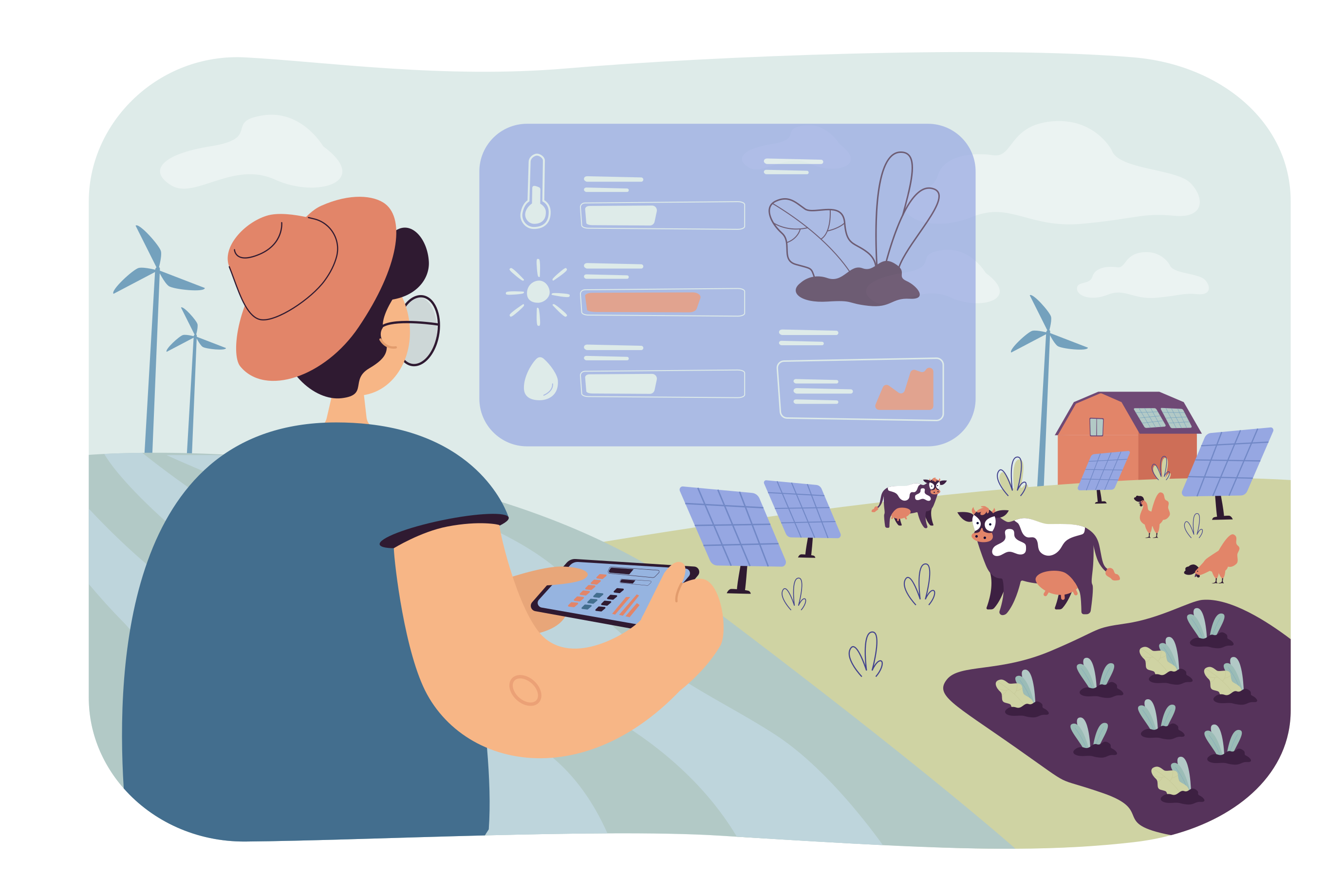
As our winters warm up and the climate plays a game of musical chairs with traditional growing zones, farmers find themselves on the front lines of a shifting landscape. In response to these challenges, a new approach called Adaptive Agriculture is emerging, acting as a compass for farmers navigating the unpredictable nature of a changing climate.
What is Adaptive Agriculture?
Think of Adaptive Agriculture as the farm’s ability to adjust and flex, like a gymnast adapting to different routines. It’s about farmers embracing change and proactively responding to the challenges presented by a warming winter and other climate shifts. This approach recognizes that the old rulebook may not apply anymore, and innovative strategies are needed to ensure a successful harvest.
Embracing Climate-Resilient Crop Varieties
One key aspect of Adaptive Agriculture is the adoption of climate-resilient crop varieties. These are plants specifically bred or selected to withstand the challenges posed by a changing climate. For instance, some varieties can better tolerate higher temperatures, resist pests, or thrive in conditions with less water. By planting these hardy crops, farmers are stacking the odds in their favor against the uncertainties of the warming winter.
Timing is Everything: Adjusting Planting Schedules
In the dance between crops and climate, timing is crucial. Adaptive Agriculture involves a shift in planting schedules to align with the evolving seasons. For example, if winters are becoming milder and spring arrives sooner, farmers may adjust the timing of planting to ensure crops are in sync with the optimal growing conditions. This proactive adjustment helps crops make the most of the changing climate.
Water-Efficient Irrigation: Making Every Drop Count
Water scarcity is a growing concern, especially with diminishing winter snowpack. Adaptive Agriculture responds by embracing water-efficient irrigation systems. Drip irrigation, for instance, delivers water directly to the roots, minimizing wastage through evaporation. By making every drop count, farmers can maximize water resources and mitigate the impacts of reduced snowpack.
Soil Health as a Shield: Sustainable Farming Practices
Adaptive Agriculture also emphasizes sustainable farming practices that prioritize soil health. Healthy soil acts as a shield, helping crops withstand stressors like extreme temperatures and irregular weather patterns. Practices like cover cropping, conservation tillage, and organic matter enrichment contribute to building resilient soils that support thriving crops.
Tech-Savvy Farming: Harnessing Innovation
In the era of Adaptive Agriculture, technology is a valuable ally. Farmers are increasingly turning to smart farming techniques, including sensors, drones, and data analytics. These tools provide real-time information about soil conditions, weather patterns, and crop health, empowering farmers to make informed decisions and adapt their strategies on the fly.
Community Collaboration: Strength in Unity
Adaptive Agriculture isn’t just an individual endeavor; it’s a community effort. Farmers, researchers, and agricultural experts collaborate to share knowledge and experiences. This collaborative spirit allows for a collective understanding of the challenges posed by a changing climate and fosters the development of effective solutions.
Conclusion: Cultivating Resilience in the Face of Change
In conclusion, Adaptive Agriculture is the farmer’s playbook for cultivating resilience in the face of a warming winter and shifting climate patterns. By embracing climate-resilient crops, adjusting planting schedules, adopting water-efficient irrigation, prioritizing soil health, leveraging technology, and fostering community collaboration, farmers are not just adapting to change – they are proactively shaping the future of agriculture. This dynamic and responsive approach ensures that the age-old tradition of farming continues to thrive in a world where the only constant is change.
Conclusion: Nurturing Tomorrow’s Harvest in the Face of a Changing Climate
As we bid farewell to this exploration of Adaptive Agriculture, imagine it as a roadmap etched by farmers and scientists alike, guiding us through the twists and turns of a warming world. The fields are no longer just a patchwork of crops; they are dynamic landscapes, alive with resilience and innovation.
In this ever-evolving saga, Adaptive Agriculture emerges as the hero, donned in the armor of climate-resilient crops and armed with the sword of sustainable practices. It’s the farmer’s pledge to not merely cope with change but to thrive amidst it.
Picture this: farmers across the globe, not just planting seeds but sowing solutions. They adjust planting schedules like seasoned choreographers, orchestrating a symphony between crops and climate. Water-efficient irrigation dances through the fields, a synchronized ballet making every drop count.
Soil health becomes the superhero, shielding crops from the unpredictable whims of weather. Meanwhile, technology takes center stage as drones soar above, sensors dive into the earth, and data analytics weaves a tapestry of insights. The community stands united, a powerful force sharing knowledge and fortifying the resilience of each farmer in the face of uncertainty.
As we close this chapter, know that Adaptive Agriculture is not just a concept; it’s a revolution in the fields. It’s the embodiment of human ingenuity meeting the challenges of a changing climate head-on. It’s the promise that, despite the warming winters and shifting seasons, our plates will remain abundant, and our fields will continue to be the heartbeat of sustenance.
The story continues, and as long as there are farmers nurturing the land with adaptability and innovation, the future of agriculture is in good hands – hands that sow not just seeds but the promise of a bountiful harvest in the face of a dynamic and ever-changing world.

